

Custom Packaging Inserts for Product Protection, Efficiency & Presentation
Most packaging issues don’t come from the outer box; they come from what happens inside it. When products move during transit, collide with each other, or arrive disorganized, the result is predictable: damage, returns, and a poor first impression. This is where packaging inserts make a real difference. By creating a structured interior, custom box inserts hold each product in place, eliminating movement and ensuring consistency across every shipment.
Without inserts, packing becomes variable. Products are arranged each time differently, filler materials shift during transit, and even well-designed boxes fail to prevent internal disruption. Over time, this leads to higher return rates, slower fulfillment, and an unboxing experience that feels careless rather than intentional.
Custom inserts change that completely. Packaging inserts turn packaging into a controlled system, one where products are protected, packing is faster and repeatable, and every order arrives exactly as intended. The result isn’t just fewer damages, but a more reliable operation and a stronger brand impression with every delivery. Helping brands reduce damage, improve packing efficiency, and standardize packaging across high-volume shipments.
Packaging Inserts Designed for Product Fit, Protection
Every insert is designed around your product, its shape, weight, fragility, and how it needs to be presented. This can mean creating a snug cavity for a glass bottle to keep it upright during transit, or designing multiple compartments for a subscription box so each item has its own defined space. In some cases, it’s about protection. In others, it’s about presentation. Often, it’s both.
The goal is always the same: eliminate movement, reduce risk, and create a layout that works consistently at scale.
Types of Packaging Inserts and Their Applications
The effectiveness of a packaging inlay and insert depends on choosing the right type for your product, not just the industry. Each material serves a different purpose, whether it’s protection, organization, or presentation.
Foam Inserts for Protection & Shock Absorption:
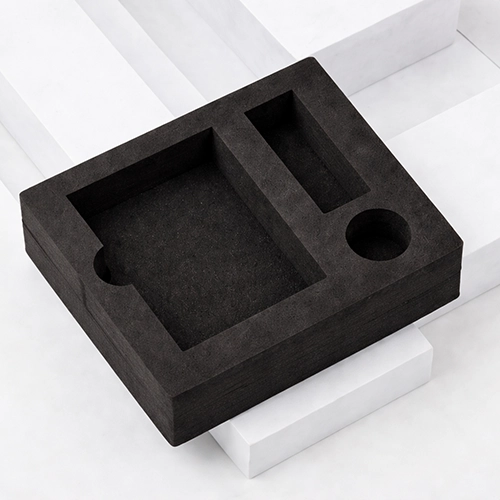
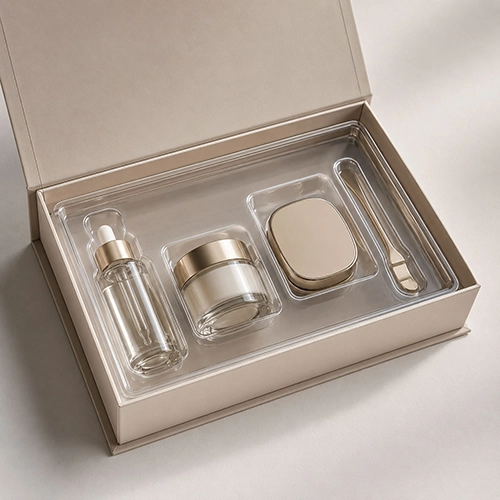
Fragile and high-value products require stability during transit. Foam inserts feature precision-cut cavities that securely hold products in place while absorbing impact. This prevents even minor movement that could cause scratches, leaks, or internal damage. Commonly used for electronics, glassware, and premium cosmetic products, custom foam inserts not only improve protection but also create a clean, organized presentation.
Corrugated Inserts for Strength & E-commerce Shipping:
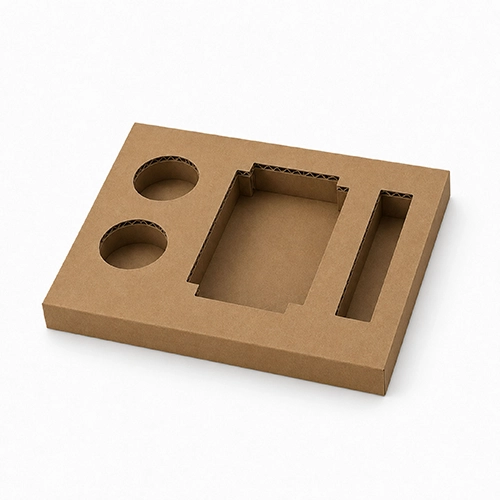
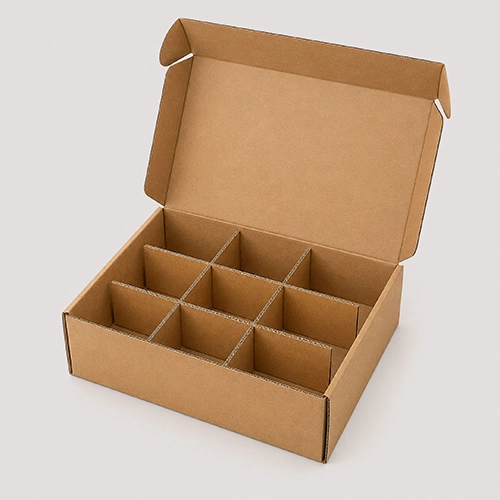
When durability and efficiency matter, structure becomes critical. Durable corrugated inserts create defined compartments inside the box, replacing the need for filler materials. This allows packing teams to follow a consistent layout, reducing packing time and minimizing errors. Recyclable corrugated inserts are widely used in e-commerce and subscription packaging, where repeatability and strength are essential for high-volume shipping.
Cardboard & Kraft Inserts for Lightweight Packaging:
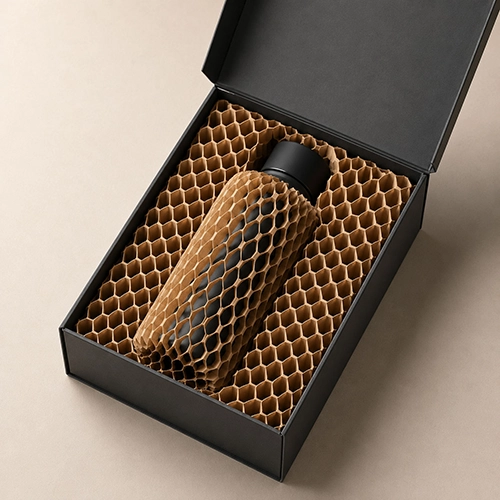
For lightweight products, simplicity and efficiency often matter more than heavy protection. Cardboard or kraft inserts provide a clean, minimal structure while supporting sustainability goals. Custom-fit cardboard inserts are commonly used in cosmetics, retail, and apparel packaging, where presentation and cost efficiency are key. Recyclable cardboard inserts help maintain product positioning without adding unnecessary weight or complexity.
Die-Cut Inserts for Precision Fit & Multi-Product Packaging:
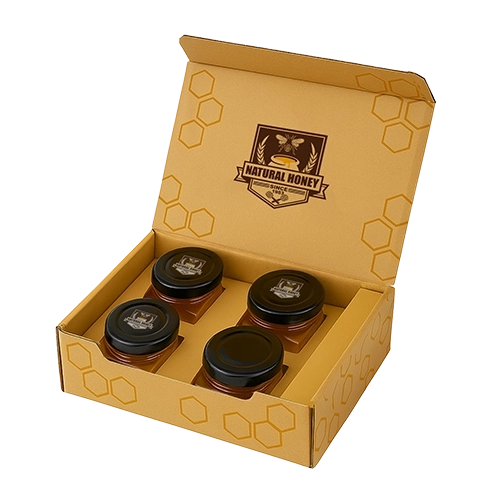
When multiple products must fit perfectly, precision is essential. Die-cut inserts are custom-shaped to match the exact dimensions of your products, creating dedicated cavities for each item. This eliminates movement and removes the need for manual arrangement during packing. Die-cut box inserts are especially effective for kits, bundles, and subscription boxes where consistency and layout control are important.
Rigid Inserts for Premium Product Presentation:
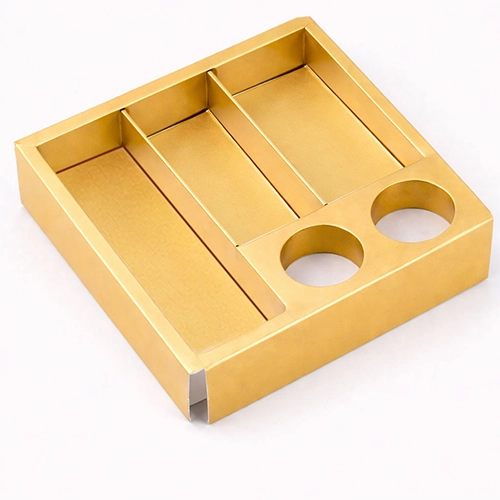
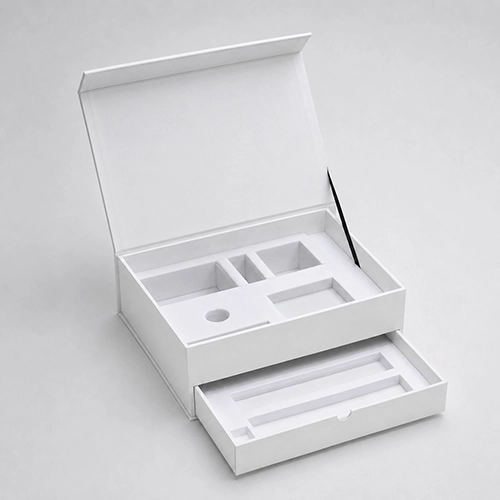
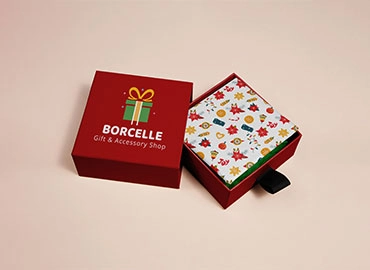
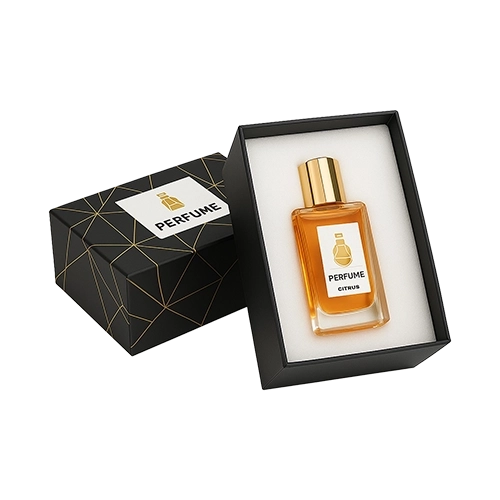
In high-end packaging, presentation is just as important as protection. Rigid box inserts are used to position products with precision, often within premium rigid boxes. Rigid packaging inserts create a display-like effect, ensuring products are revealed cleanly and in a structured way when opened. This makes them ideal for luxury goods, gift packaging, and premium product lines where presentation and perception matter.
Products are positioned with precision, often using structured or soft-touch materials, creating a display-like effect when the box is opened. Premium rigid boxes with inserts create a refined unboxing experience, reinforcing the product's perceived value and the brand behind it.
Not sure which insert is right for your product? Get a custom insert recommendation based on your product and packaging setup.
From e-commerce shipments to fragile product packaging, our inserts are used by brands that need consistency at scale. Whether you're shipping cosmetics, electronics, or multi-item orders, inserts are engineered to handle real transit conditions, not just ideal scenarios.
How Packaging Inserts Improve Cost and Efficiency
Protective packaging inserts aren’t just about protection; they directly affect how efficiently your business runs. When products are properly secured, damage rates drop, which means fewer returns, replacements, and customer complaints. A well-fitted insert also allows for tighter packaging, helping reduce dimensional weight and lowering shipping costs over time.
Operationally, inserts bring consistency. Instead of manually arranging products or adding filler, packing becomes faster and more repeatable. This reduces labor time and minimizes packing errors, especially at scale.
On the customer side, presentation plays a role too. When products arrive cleanly organized and exactly as expected, it reinforces trust and improves the overall brand experience, something that directly influences repeat purchases. These improvements may seem small per shipment, but at scale, well-designed inserts directly impact your margins.
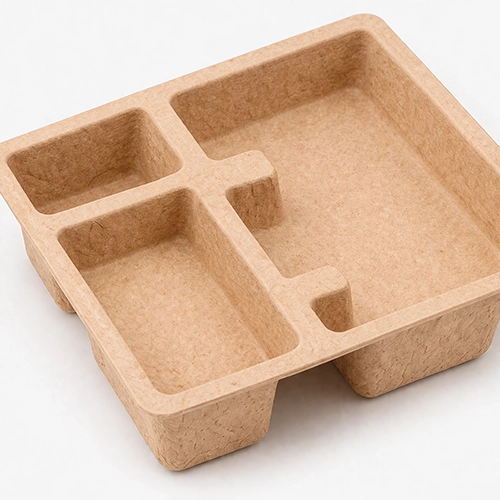
Real-world applications reinforce this approach. For example, a paper-based insert solution developed for premium goods was designed to hold products securely in place during transit while maintaining a high-end presentation. The packaging inserts reduced product movement and improved product protection without compromising sustainability.
Key Benefits of Custom Packaging Inserts
Well-designed inserts don’t just protect products; they improve how your packaging performs across operations, shipping, and customer experience.
- Consistent Protection: Products stay fixed in place, reducing movement, damage, and transit-related issues.
- Faster, More Efficient Packing: Predefined layouts eliminate manual arrangement, speeding up fulfillment and improving consistency.
- Lower Returns and Shipping Costs: Better protection reduces replacements, while compact packaging helps minimize shipping expenses.
- Clean, Professional Presentation: Structured layouts ensure every order arrives organized, reinforcing a stronger brand experience.
While these benefits improve individual aspects of your packaging, the real impact comes from how everything works together. The choice of insert, the type of box, and how both are designed in relation to your product all play a role in overall performance.
To achieve consistent results at scale, inserts shouldn’t be considered in isolation; they should be part of a broader packaging approach.
How Packaging Inserts Work with Boxes for Better Performance
Choosing the right insert material is only part of the equation. The real performance comes from how that insert works with your outer packaging. For example, foam inserts are designed for protection, but their performance depends on the box they’re paired with.
- In corrugated shipping boxes, foam inserts absorb shock while the outer box handles impact during transit, making this combination ideal for fragile or high-value items.
- In rigid boxes, the same foam insert serves a different purpose. Instead of just protection, it also controls how the product is presented, creating a clean, premium display.
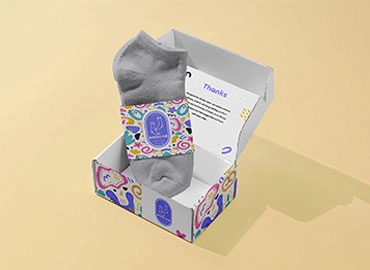
- Similarly, cardboard or die-cut insertsinside mailer boxes are optimized for lightweight e-commerce shipping, keeping products in place without adding unnecessary weight or cost. The insert defines how the product sits inside the box. The outer packaging defines how it travels.
When both are designed together, you don’t just get packaging; you get a system that performs consistently across every shipment. The same insert can serve different roles depending on how it’s used.
Packaging shouldn’t be something you fix during packing; it should work by design. With the right inserts, you’re not just protecting products; you’re creating a system that improves consistency, reduces inefficiencies, and delivers a better experience with every shipment.