
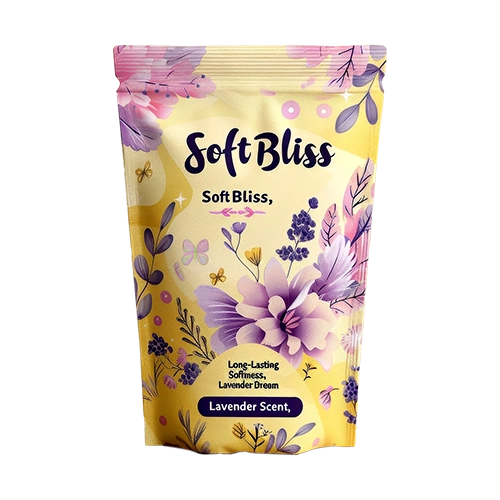
Custom Mylar Bags for Product Protection, Shelf Life, and Retail Impact
Mylar bags are used when products need more than basic packaging. Whether the goal is to preserve freshness, prevent odor leakage, or create a strong retail presence, the pouch's structure directly affects how the product performs over time.
For food, supplements, and specialty retail products, packaging is expected to handle storage conditions, transport stress, and shelf display, all at the same time.
Mylar bags offer greater protection for products than standard plastic packaging. Their multi-layer laminated structure is designed to limit exposure to external elements that affect product quality over time, including:
- Oxygen → impacts freshness and shelf life.
- Moisture → leads to spoilage, clumping, or degradation.
- Light (UV exposure) → breaks down sensitive ingredients.
- Odor transfer → critical for products that must remain contained.
Because of this controlled barrier environment, mylar bags are commonly chosen for products where stability, freshness, and consistency throughout storage and distribution are essential.
Compared to standard plastic packaging, mylar pouches offer significantly higher barrier protection against oxygen, moisture, light, and odor. While regular plastic bags are suitable for basic containment, they do not provide the same level of shelf-life stability or product preservation. Mylar’s multilayer structure makes it more reliable for products that require extended shelf life, controlled environments, and consistent quality during storage and distribution.
Types of Mylar Bags and Where They’re Used
Different products require different Mylar pouch formats depending on how they are stored, transported, displayed, and used. The right combination of pouch style and material structure ensures both protection and effective presentation.
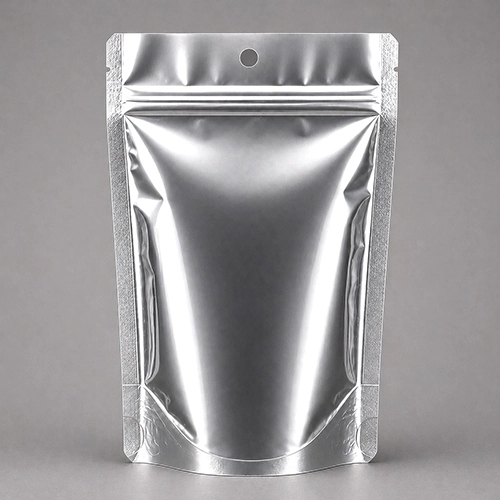
Stand-Up Pouches (Doypack):
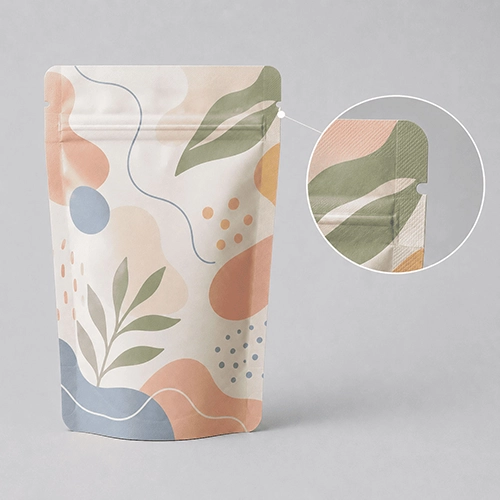
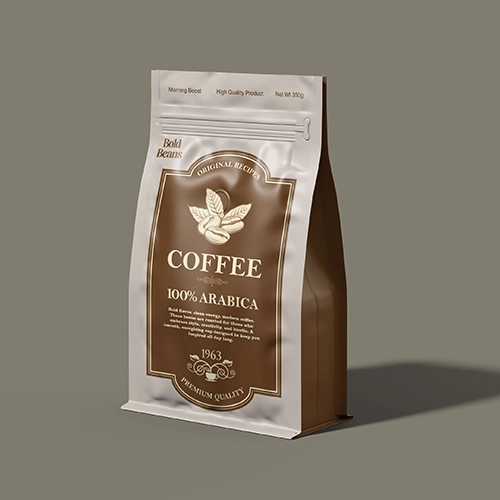
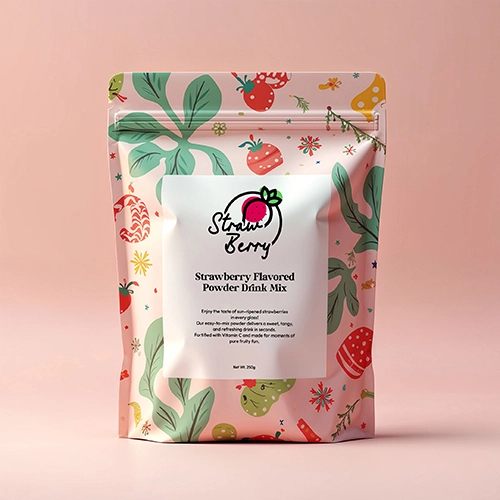
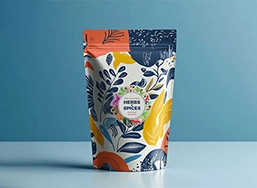
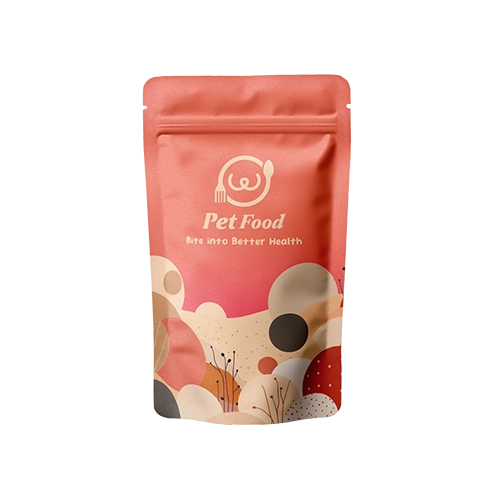
A stand-up pouch features a bottom gusset that expands when filled, allowing it to stand upright on shelves. This makes it different from flat pouches, which lie flat, and side-gusset bags, which expand along the vertical axis to accommodate larger volumes.
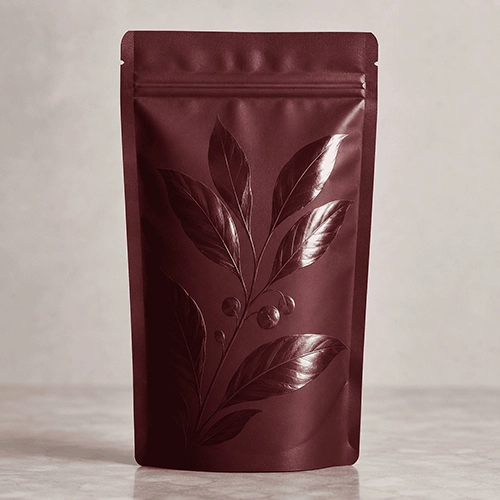
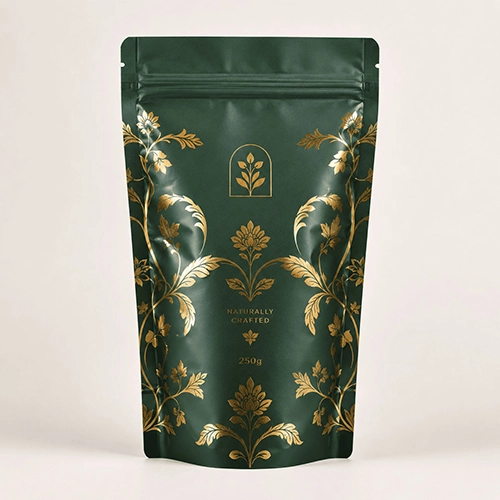
Stand-up pouches are commonly used when shelf presentation matters and the product needs strong visibility in retail or e-commerce photography. They are ideal for food and snacks, coffee, spices, dried goods, supplements, and retail-ready consumer products.
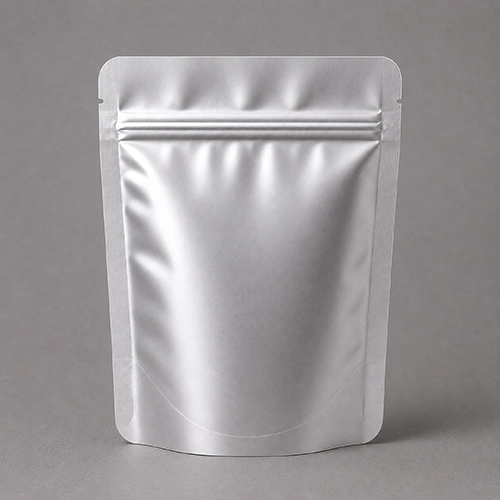
Flat Pouches :
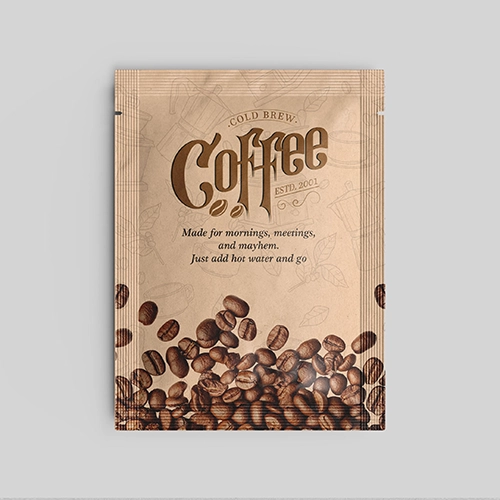
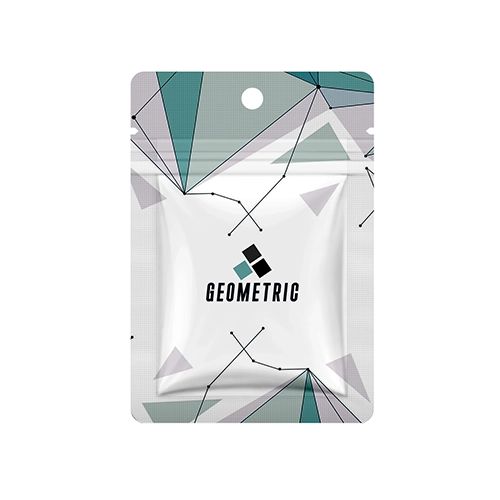
Flat pouches are slim, sealed pouches without a bottom or side gusset. They take up less space and are usually more cost-efficient than stand-up or gusseted options.
They work best for small quantities, samples, single-use products, or lightweight items where compact packaging is more important than shelf-standing display. Common uses include trial packs, sachet-style packaging, and small retail items.
Side Gusset Bags (H3): Side-gusset bags feature expandable side panels that allow the pouch to hold more product while maintaining a clean, vertical shape. Unlike stand-up pouches, which rely on a bottom gusset for shelf display, side gusset bags expand from the sides and are better suited for higher fill volumes.
They are commonly used for bulk food products, coffee, dry goods, pet food, and treats where capacity and storage efficiency matter.
Resealable Mylar Bags:
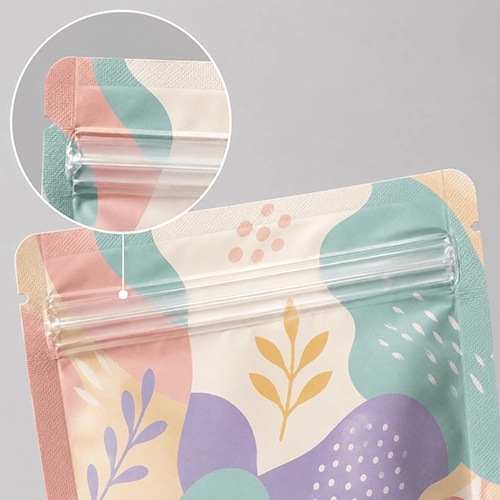
Resealable Mylar bags feature a zipper or press-to-close seal, allowing the pouch to be opened and closed multiple times. This makes them different from single-use sealed pouches, which must be torn open and cannot be securely closed again.
They are best for products used over time, such as snacks, powders, supplements, pet treats, and other items that require freshness after opening.
Child-Resistant Pouches:
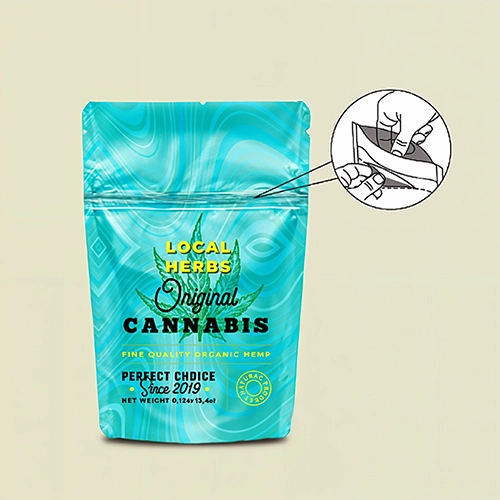
Child-resistant mylar bags feature certified closure mechanisms that make access more difficult for children while remaining usable for adults. They differ from standard resealable bags in that their closures must meet safety and compliance requirements for regulated products.
They are commonly used for cannabis, CBD, controlled retail products, and other sensitive goods where packaging safety is part of the product requirement.
Across all industries, the key requirement remains consistent: matching the pouch format and barrier level to the product's performance requirements during storage, shipping, and use. Differences in moisture sensitivity, odor control, and shelf-life expectations directly influence the final packaging choice.
Material Structure, Printing, and How They Affect Your Packaging
The performance and appearance of a custom mylar bag are not separate decisions—they are directly connected. The material structure determines how well the product is protected, while the outer layer defines how the packaging looks and feels.
Material Structure and Barrier Performance
Not all mylar pouches offer the same level of protection. The internal layer composition determines how the product responds to external conditions such as air, moisture, and light.
Common structures include:
- PET / Aluminum / PE → High barrier for light-sensitive or perishable products.
- Metalized films (MET-PET) → Balanced performance with cost efficiency.
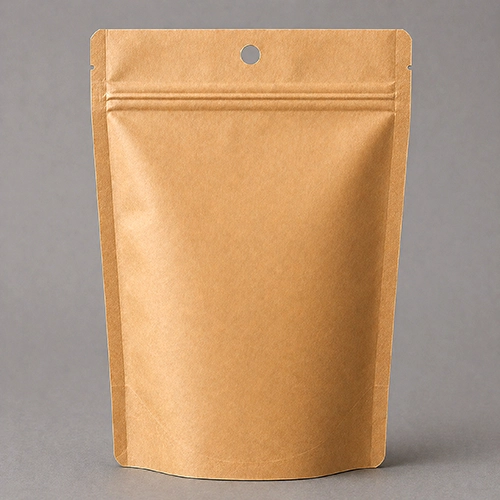
- Kraft laminated pouches → Natural appearance with moderate protection.
Each layer serves a specific function:
- Outer layer → durability and print surface.
- Barrier layer → protection from oxygen, moisture, and light.
- Inner layer → sealing integrity and product safety.
Printing and Visual Presentation
The outer layer of the printed mylar bags is where branding and visual identity come into play. For premium presentation, these are often paired with rigid packaging boxes in retail environments.
Common printing and finishing options include:
- Full-color printing (CMYK or Pantone)
- Matte, gloss, or soft-touch finishes
- Spot UV or foil accents for emphasis
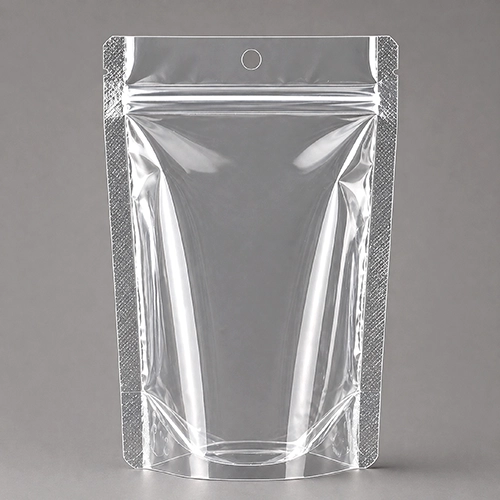
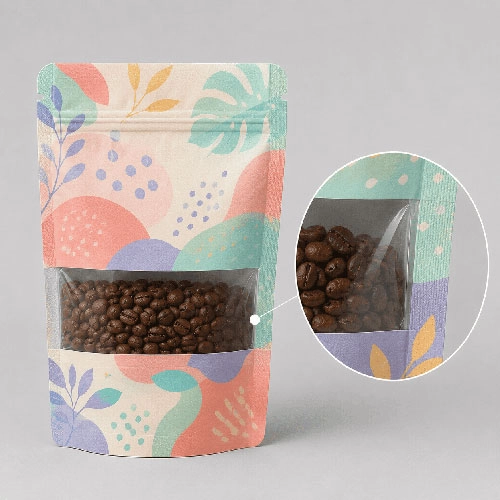
- Transparent windows to showcase the product
Packaging is not just about appearance; it’s about consistency. Variations in print quality or color across batches can affect brand perception, especially as production scales.
Why Structure and Printing Must Be Considered Together
The choice of material directly affects print quality. For example:
- High-barrier films may limit transparency but improve protection.
- Kraft materials create a natural look but reduce color vibrancy.
- Gloss finishes enhance color, while matte creates a more subtle appearance.
Balancing protection and presentation ensures the packaging performs well both functionally and visually.
Balancing protection and presentation ensures the packaging performs well both functionally and visually. This becomes especially important in real-world conditions, where packaging must maintain both appearance and integrity during handling and transit. In e-commerce, Mylar bags are commonly shipped in corrugated mailer boxes to protect products from handling stress and transit damage.
Compliance and Safety Considerations
For many products, packaging is not just a functional choice; it must also meet specific regulatory and safety requirements. Depending on the product category and market, this can include using food-grade materials for direct contact, child-resistant closures for controlled items, tamper-evident features to ensure product integrity, and odor-proof sealing when containment is essential. These requirements vary by industry, but they play a critical role in ensuring products can be stored, shipped, and sold without compliance issues. Addressing these considerations early in the packaging process helps prevent delays, rework, or rejection during distribution and retail placement.
Example: Why Compliance Matters in Practice
Certain consumer products require child-resistant packaging to reduce the risk of accidental access. These requirements are defined under U.S. Consumer Product Safety Commission (CPSC) standards (16 CFR §1700.20), which outline testing procedures and performance criteria. Similarly, for food products, packaging materials must comply with FDA food-contact regulations (21 CFR) to ensure they do not transfer harmful substances to the product. Non-compliant packaging can lead to product recalls, import delays, or restrictions in retail distribution.
These examples highlight why packaging decisions are not only about design or cost; they directly impact whether a product can legally reach and remain in the market.
Choosing the right pouch and mylar bag depends on how your product behaves during storage, shipping, and use, not just the pouch type.
- Products sensitive to air → need a higher oxygen barrier.
- Moisture-sensitive items → require stronger sealing.
- Odor-sensitive products → need airtight structures.
- Multi-use products → benefit from resealable closures.
When these factors aren’t aligned, issues such as reduced shelf life, leakage, or inconsistent presentation can arise over time.
A few basic details, such as product type, size or fill weight, storage conditions, quantity, and required features, are usually enough to determine the right Mylar bag setup. From there, the process typically moves through material selection, artwork preparation, and production. Clear input early helps avoid delays and ensure consistent results.
Custom-printed mylar bags are commonly used by brands launching new products, scaling operations, or addressing issues like shelf life, leakage, or presentation. The focus is on reliable performance across storage, shipping, and display. Even if the exact structure isn’t clear yet, that’s normal for the process. Even basic product details are enough to narrow down suitable options and avoid over- or under-specifying the packaging.